Marine growth is not an occasional inconvenience in Florida. It is a constant operating condition that affects boats, docks, and waterfront infrastructure year-round. In South Florida waters, warm temperatures and consistent biological activity create an environment where growth begins forming within weeks, not months.
For boat owners and marina operators in Fort Lauderdale, this reality changes how maintenance must be approached. Hull cleaning, structural cleaning, and systems oversight are not cosmetic decisions. They are fundamental to preserving performance, safety, and long-term asset value. Delaying service does not pause the problem. It allows it to compound quietly below the waterline.
This article explains why Florida marine growth behaves differently than in cooler regions, how it impacts vessels and structures, and why routine maintenance is a baseline requirement rather than an optional expense. It also outlines when preventative service is sufficient and when deferred care leads to corrective work that costs significantly more.
Understanding this environment is the first step toward controlling operating costs instead of reacting to them.
What Marine Growth Does to Vessels
Marine growth alters a vessel’s interaction with the water almost immediately. The first stage often appears as slime or biofilm, which may seem insignificant. In reality, even thin layers disrupt laminar flow along the hull, increasing drag and resistance.
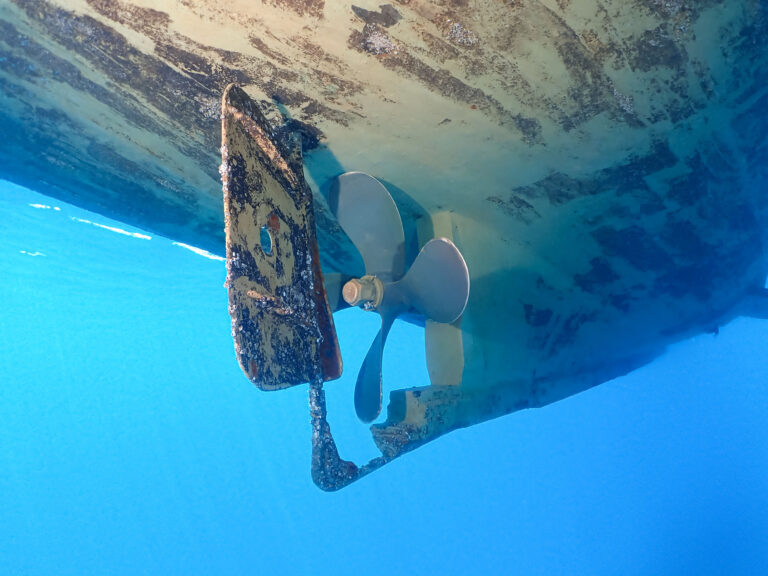
As growth progresses, algae, grass, and barnacles establish uneven surfaces. Water no longer flows smoothly across the hull or around the running gear. Propellers lose efficiency. Rudders respond inconsistently. Engines compensate by working harder to maintain speed.
This increased resistance directly affects fuel burn and heat load. Engines operate at higher RPM for the same output, generating additional heat and accelerating wear across drivetrain components. Over time, this contributes to premature mechanical fatigue and shortened service intervals.
Routine boat and yacht hull cleaning services interrupt this cycle early by removing growth before it matures and bonds aggressively. Early intervention preserves hydrodynamic efficiency and prevents long-term damage that cannot be reversed through cleaning alone.
Fuel Efficiency and Engine Load
Fuel efficiency losses caused by marine growth are gradual, which makes them easy to overlook. A lightly fouled hull may only increase consumption marginally, but that inefficiency persists on every trip.
As drag increases, engines require more throttle to achieve cruising speed. RPM inefficiency becomes normalized. Owners often attribute higher fuel costs to usage patterns or market conditions rather than resistance below the waterline.
Higher engine load also produces additional heat. Cooling systems work harder. Oil degrades faster. Bearings and seals experience increased stress. None of these issues present as immediate failures, but together they shorten component life.
Professional underwater maintenance and scheduled hull cleaning restore efficiency by reducing resistance and stabilizing engine load. A clean hull allows engines to operate closer to their intended design range, reducing operating costs and preserving mechanical health over time.
Why Florida Marine Growth Is Different
Florida’s marine environment supports year-round growth. Water temperatures remain within an optimal biological range throughout the year. Sunlight penetration encourages algae development. Nutrient flow from inland waterways further accelerates fouling.
In Fort Lauderdale marinas, vessels do not experience seasonal reprieve. Growth continues even during cooler months. Slip-kept boats are particularly vulnerable due to limited water movement and prolonged submersion.
Barnacles and hard growth establish faster in warm water, bonding aggressively to hulls and structures. Once mature, removal requires more labor and increases the risk of coating damage.
South Florida waters demand shorter maintenance intervals than cooler regions. What might be occasional service elsewhere becomes routine care locally. Ignoring this reality leads to accelerated degradation and higher long-term costs.
Cleaning vs Bottom Painting
Hull cleaning and bottom painting serve different purposes. Cleaning removes existing growth and restores performance. Bottom painting slows future attachment by providing antifouling protection.
When bottom paint is intact and growth is surface-level, cleaning is sufficient. Regular cleaning preserves coatings and delays repainting. This approach reduces total maintenance cost over the life of the vessel.
Bottom painting becomes necessary when coatings fail. Signs include exposed substrate, flaking paint, or rapid regrowth after cleaning. At this stage, continued cleaning accelerates damage rather than preserving protection.
Choosing the correct intervention at the correct time prevents unnecessary expense. Cleaning maintains performance. Painting restores protection. Confusing the two leads to shortened coating life and increased labor. Learn more about bottom painting.
Professional Maintenance vs DIY Cleaning
Underwater maintenance is not interchangeable with topside cleaning. Improper techniques can damage coatings, scar metal components, and shorten asset life.
Professional divers adjust methods based on hull material, coating type, and growth severity. They understand where aggressive removal causes harm and where restraint preserves protection. Documentation provides accountability and supports long-term maintenance planning.
Environmental compliance is also critical. Improper removal releases debris and contaminants into surrounding waters. Professional services follow marina rules and local guidelines to minimize impact.
Licensing, insurance, and reporting protect owners and operators from liability. DIY or unqualified work often creates more cost than it saves.
Recommended Maintenance Frequency in Florida
Maintenance frequency depends on usage patterns, storage conditions, and location. Slip-kept vessels in Fort Lauderdale typically require hull cleaning every four to six weeks. Boats that sit idle foul faster than those used regularly.
Dry-stored vessels experience reduced growth but still require periodic inspection. Seasonal factors matter less in Florida due to year-round biological activity.
Routine scheduling keeps growth in early stages, reducing labor and preserving coatings. Reactive cleaning after heavy buildup increases cost and risk.
To discuss scheduling and service intervals, contact 754-200-1214 for professional evaluation.
Florida marine growth does not pause, and waiting only increases cost and risk. Routine maintenance keeps vessels efficient, protects structures, and prevents small issues from becoming expensive repairs.
To schedule professional hull cleaning or discuss a maintenance plan with Fort Lauderdale professionals, call 754-200-1214 or contact Blackline Marine Group directly. Consistent upkeep protects performance and preserves long-term value.
FAQs
Is marine growth really a year-round issue in Florida
Yes. Warm water and sunlight allow continuous growth throughout the year.
How quickly does marine growth affect performance
In South Florida, measurable effects often appear within weeks.
Does regular cleaning reduce long-term costs
Yes. Preventative maintenance costs less than corrective repairs.
Are docks and seawalls affected the same way as boats
Yes. Fixed structures experience constant exposure and require routine cleaning.